
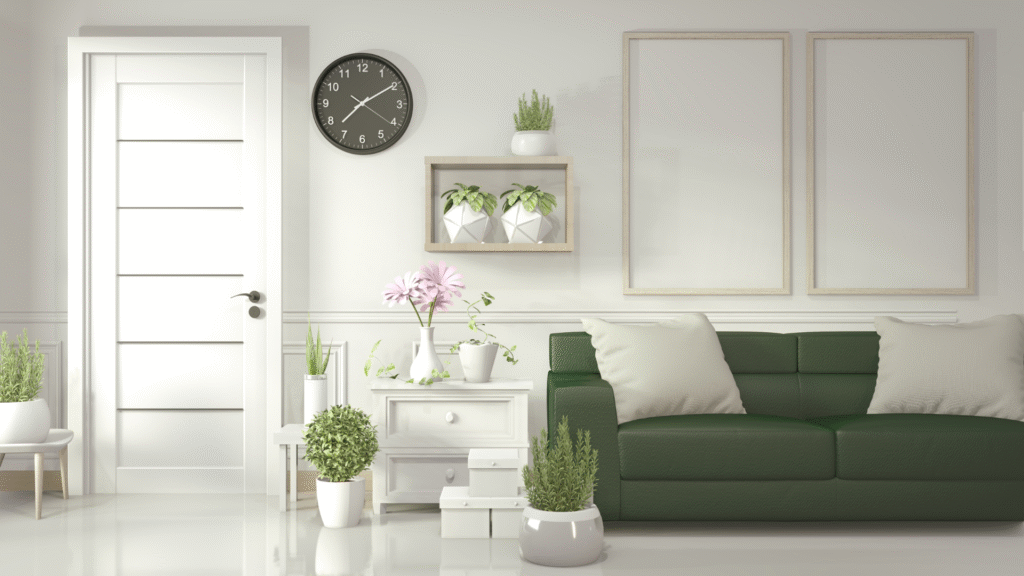
An Interior Design Guide
Interior design is a multifaceted discipline that encompasses the enhancement and alteration of interior spaces to improve their aesthetics and functionality. Its importance has grown significantly in recent years, as people increasingly recognize how thoughtfully designed environments can impact well-being, productivity, and overall quality of life. An experienced interior design guide or expert in Mohali or a leading interior design studio can offer valuable insights and services tailored to individual needs, ensuring spaces serve their intended purpose effectively.
At its core, interior design guide involves the integration of various elements such as color, texture, lighting, and furniture to create harmonious spaces. These aspects must consider both function and form, allowing occupants to enjoy aesthetically pleasing environments while also meeting their practical requirements. The role of an interior designer is vital, as these professionals bring together creativity and technical knowledge to deliver results that often surpass client expectations.
It is important to differentiate between residential and commercial interior design, as each has distinct goals and considerations. Residential interior design focuses on creating comfortable, welcoming spaces tailored to the needs of homeowners and their families. This process often entails a deep understanding of personal preferences, lifestyles, and the dynamics of everyday living. Conversely, commercial interior design addresses the unique challenges of business environments, where functionality, branding, and client perceptions are paramount. A well-executed commercial space not only optimizes workflow and efficiency but also communicates a brand’s essence to customers.
Ultimately, whether engaging best interior designers for residential or commercial projects, understanding the unique aspects of each realm is crucial for achieving optimal results. The transformative power of good interior design can significantly enhance how we experience our environments, creating spaces that are not only visually appealing but also purpose-driven.
The Role of Residential Interior Design
Residential interior design plays a pivotal role in transforming living spaces into personalized havens that reflect the occupant’s style and needs. An interior designer in Mohali specializes in crafting inviting environments by considering functionality, aesthetics, and comfort. Each project begins with an in-depth consultation, allowing the designer to understand the client’s lifestyle, preferences, and practical requirements. This collaborative approach ensures that the resulting design resonates with the clients’ personalities while serving their daily needs.
Space utilization is a crucial aspect of residential interior design. Effective designers take stock of the available square footage and the natural light entering the space, leveraging these elements to create an illusion of openness or warmth as needed. The best interior designers deploy smart layouts that maximize the usability of every inch, often incorporating multifunctional furniture that does not compromise on style. For example, a well-designed living area may include modular sofas that can be rearranged depending on social gatherings, thereby enhancing both aesthetics and functionality.
Comfort also plays a significant role in the design process. An adept interior designer carefully selects materials, colors, and furnishings to create a soothing ambiance in line with the client’s taste. Whether it is through layering soft textiles or choosing the right color palette, the goal is to foster an environment where residents can unwind and rejuvenate. Personalizing a home also involves incorporating unique design elements such as family heirlooms, artwork, or custom cabinetry that tell a story about the inhabitants. Ultimately, an interior design studio dedicated to residential projects understands that the best designs emerge from a genuine connection with clients, ensuring their visions come to life in spaces that they love and cherish.
Essential Elements of Commercial Interior Design
Commercial interior design is not only about aesthetics; it plays a vital role in creating functional spaces that reflect a brand’s identity while enhancing the customer experience. An effective commercial design integrates various elements that cater to the specific needs of businesses, ultimately contributing to their success. The primary components include layout, aesthetics, functionality, and psychology of space, all of which work harmoniously to establish a compelling environment.
Layout is a critical factor in commercial interior design. It involves careful planning of space to facilitate movement, ensure accessibility, and optimize interaction between customers and staff. For instance, an interior designer in Mohali tasked with a retail project may prioritize creating an open floor plan that encourages exploration while guiding customers towards featured products. Similarly, in an office setting, the layout should promote collaboration while providing zones for privacy. Such thoughtful design choices can positively influence productivity and customer engagement.
Aesthetics, or the visual appeal of the space, also plays a significant role in defining a brand’s identity. The best interior designers integrate colors, materials, and furnishings that resonate with the brand’s values and target audience. In the hospitality industry, for example, an inviting color palette and comfortable furnishings are essential to create a warm and welcoming environment, which can enhance the overall guest experience.
Functionality cannot be overlooked in commercial interior design. Ensuring that the space serves the intended purpose efficiently is crucial. This may involve selecting the right fixtures, furniture, and technology that enhance operational workflows, thereby impacting overall business success. Additionally, understanding the psychology of space helps designers to evoke specific feelings or behaviors through design choices, making the experience more memorable.
In conclusion, the essential elements of commercial interior design—layout, aesthetics, functionality, and psychology—are heavily interwoven. Effective integration of these components not only amplifies a brand’s identity but also significantly enhances customer experience, ultimately contributing to the success of various commercial enterprises.
The Process of Interior Design Services
The journey of engaging with an interior designer begins with an initial consultation, a crucial stage where both the client and the designer delineate their expectations and requirements. This discussion serves as a foundation for the partnership, allowing the interior designer in Mohali to gather vital information about the client’s vision, lifestyle, and budget. Understanding these elements is essential for formulating a design that resonates with the client’s needs while ensuring functionality and aesthetic appeal.
Following the initial meeting, the designer will proceed to the concept development phase. During this stage, the best interior designers will create mood boards and design sketches that encapsulate the artistic direction of the project. This phase emphasizes the importance of collaboration, as clients are encouraged to provide feedback on the proposed concepts. An effective interior design studio will ensure that these ideas align with the client’s aspirations, thereby refining the design direction further.
Once the concepts are approved, the design implementation phase begins. Here, the practical aspects of the design come to life. The interior designer enacts the approved plans by selecting materials, finishes, furniture, and fixtures, coordinating with contractors, and managing timelines. This phase also includes regular updates and communication with the client, ensuring that any concerns that arise are addressed promptly. Attention to detail during this stage is critical, as the realization of the planned design will depend on meticulous execution and supervision.
Ultimately, the project moves towards completion, where the final walk through occurs. This stage allows clients to experience the transformed space, ensuring it meets their expectations. The interior design process encapsulates a collaborative effort that intertwines creativity, organization, and client satisfaction, ultimately leading to a functional and beautifully designed environment.
The Importance of Space Planning
Space planning is a fundamental aspect of both residential and commercial interior design that greatly influences functionality and aesthetics. Effective space planning ensures that every area not only looks appealing but also serves a purpose, maximizing efficiency and utility. In professional settings, such as those created by an interior designer Mohali, the strategic arrangement of space is paramount in achieving a successful layout that caters to the unique needs of occupants.
One crucial technique in space planning is understanding the flow of the area, which refers to how individuals move through a space. By optimizing the flow, interior designers can create environments that are comfortable and accessible, enhancing user experience. This is particularly important in commercial spaces where enhancing accessibility can lead to increased productivity and satisfaction. On the other hand, in residential designs, effective flow contributes to a harmonious living environment that promotes relaxation and functionality.
Additionally, furniture arrangement plays a key role within the realm of space planning. The placement of furniture can significantly impact both the visual appeal and efficiency of a space. Interior design studios often utilize various techniques, such as the use of focal points and scale considerations, to create balanced and inviting arrangements. For smaller spaces, smart storage solutions and multifunctional furniture can help to maximize available space without compromising on style, a strategy that the best interior designers excel in. Conversely, larger areas may require the segmentation of space using partitions or rugs to create cozy, defined zones that encourage interaction.
Ultimately, the importance of space planning extends beyond mere aesthetics; it is about creating environments that support the lifestyles and needs of the inhabitants. A well-planned space can profoundly impact how individuals interact with their surroundings, making it an essential component of effective interior design.
Choosing the Right Color Schemes and Materials
In the realm of interior design, the selection of color schemes and materials plays a pivotal role in defining the atmosphere and functionality of a space. Understanding the psychological impacts of colors is essential for interior designers in Mohali, as different hues evoke varied emotions and responses. For instance, warm colors such as reds, oranges, and yellows tend to create a sense of warmth and energy, making them ideal for lively spaces such as kitchens and living areas. In contrast, cool colors like blues and greens foster a calm and serene environment, suitable for bedrooms or relaxation spaces.
Color theories can guide interior designers in their decision-making processes. The use of complementary colors can enhance visual interest, while analogous colors can create a harmonious flow. Utilizing tools like color wheels can facilitate the selection of shades that work well together and contribute to the desired aesthetic. In essence, the best interior designers prioritize choosing colors that align with the intended purpose of each room, enhancing the overall user experience.
Material selection is equally significant, as it complements the chosen color scheme and adds texture and depth to the design. Interior design studios often recommend materials that are not only visually appealing but also practical and sustainable. For example, natural materials such as wood, stone, and bamboo can add warmth and character while remaining eco-friendly. Synthetic materials, on the other hand, might offer durability and versatility but should be chosen carefully to maintain a balance of aesthetic and functionality.
The interplay between color and materials must also consider the overall theme of the project. A cohesive design approach will ensure that every element works in concert to create a harmonious and inviting space. Through strategic selection and application of colors and materials, interior designers can transform any residential or commercial setting into an engaging environment that reflects the client’s vision.
Sustainable Interior Design Practices
In recent years, the emphasis on sustainable interior design practices has gained momentum as both residential and commercial interior designers prioritize environmentally-friendly approaches. By integrating eco-conscious elements into their projects, best interior designers are not only helping clients create beautiful spaces, but also contributing to a healthier planet.
One of the primary aspects of sustainable interior design is the use of sustainable materials. These materials are often sourced from renewable resources, ensuring minimal environmental impact. For instance, choosing bamboo flooring or reclaimed wood furniture can significantly reduce deforestation rates while providing a unique aesthetic. Interior design studios are increasingly sourcing materials that have low-VOC (volatile organic compounds) emissions to improve indoor air quality, promoting health and well-being for occupants.
Energy efficiency is another crucial factor in sustainable interior design. Interior designers in Mohali are now incorporating energy-efficient lighting, such as LED fixtures, which consume less power and have a longer lifespan than traditional bulbs. Additionally, the strategic placement of windows allows for maximum natural light, thus reducing the reliance on artificial lighting during daylight hours. Designers are also recommending energy-efficient appliances that align with the principles of sustainability, ensuring long-term cost savings for clients.
Longevity plays a significant role in sustainable design as well. By creating timeless interiors that prioritize durability and adaptability, designers can minimize the frequency of renovations and the waste generated in the process. Choosing high-quality furniture and fixtures ensures that spaces can age gracefully, still meeting the evolving needs of occupants over time.
Overall, sustainable interior design practices provide numerous benefits, including reduced environmental impact, improved health benefits, and cost efficiency. As more designers adopt these principles, the interior design industry continues to evolve towards a more sustainable future.
Trends in Residential and Commercial Interior Design
Over the past few years, interior design has undergone significant transformations in both residential and commercial spaces. One of the most notable trends is the integration of technology. Smart home devices, automated lighting, and energy-efficient appliances are becoming commonplace. In the commercial sector, businesses are leveraging technology for enhanced functionality and improved user experience. This trend is prevalent among the best interior designers who focus on creating spaces that seamlessly blend aesthetics and innovation, ensuring both comfort and convenience.
Minimalist design continues to captivate homeowners and corporations alike. This trend emphasizes simplicity and functionality, steering clear of excessive decoration. By utilizing a neutral color palette and clean lines, minimalist designs offer uncluttered environments that promote clarity and focus. Interior designers in Mohali adeptly implement these principles in their projects, creating serene spaces that reflect modern sophistication without overwhelming visual distractions.
Another evolving trend is biophilic design, which seeks to reconnect individuals with nature. This approach incorporates elements such as indoor plants, natural light, and organic materials into interior spaces. By fostering a healing and productive atmosphere, biophilic design has gained traction among both residential dwellings and commercial establishments. The incorporation of natural elements not only enhances aesthetic appeal but also contributes to the well-being of occupants, making it a vital consideration for any interior design studio.
Color trends also significantly influence the mood and style of a space. In recent times, warm palettes featuring earthy tones have been favored over cooler hues. These colors evoke comfort and warmth, aligning with the growing desire for inviting spaces. Furthermore, bold accent colors are being used to create striking focal points, particularly in commercial designs where capturing attention is paramount.
Trends in residential and commercial interior design are continuously adapting to the needs and preferences of society. By staying attuned to these trends, individuals and businesses can create spaces that are not only visually appealing but also functional and responsive to contemporary life. As we look ahead, the challenge for interior designers will be to balance these trends with their clients’ unique visions and requirements.
The Future of Interior Design Services
As we look to the future of interior design services, it is evident that technology will play a pivotal role in reshaping the industry. The integration of advanced design software, virtual reality, and augmented reality are transforming how interior designers conceptualize and present their ideas. These tools allow for immersive experiences where clients can visualize their spaces before any physical work begins, streamlining decision-making processes and minimizing the likelihood of dissatisfaction with the final outcome. The emergence of such technology indicates a shift towards greater efficiency within interior design studios.
Moreover, remote collaborations are becoming commonplace, enabling interior designers in Mohali and beyond to work with clients across various geographical boundaries. This new paradigm allows for a diverse pool of talent to contribute to projects, expanding the range of styles and perspectives available. Best interior designers are harnessing this trend by leveraging communication platforms that foster collaboration regardless of distance, leading to more innovative and inclusive designs. As flexibility and adaptability become essential in today’s fast-paced environment, this aspect of design services will likely continue to grow.
Additionally, societal norms are changing, with increasing emphasis on sustainability and wellness in design practices. Interior designers are responding to the demand for eco-friendly materials and practices that promote healthy living spaces. Clients are now more informed and conscious about their choices, leading designers to incorporate green solutions as standard practice. The future will likely see a further alignment between design services and client aspirations, ensuring spaces are not only aesthetically pleasing but also functional and aligned with personal values.
In conclusion, the future of interior design services is poised for transformation driven by technology, evolving collaboration methods, and societal trends. It is essential for industry professionals to stay updated on these innovations and continuously adapt to meet the changing needs and preferences of their clients, ensuring they deliver exceptional service in an ever-evolving landscape.